
When an air conditioner gets old or fails in the middle of a Tulsa summer, the first question most people ask is simple: what will a new one cost?
The honest answer is that it depends on your house. Two homes on the same street in Sapulpa or Tulsa can get very different quotes, and both can be fair. This guide walks through what actually drives the price, so any estimate you get makes sense.
You won't find dollar figures here. Equipment, refrigerant and labor costs have moved a lot in the last few years, and online "average cost" numbers rarely match a specific home. The most reliable number is a written quote for your house.
What You Are Actually Paying For
An AC replacement is more than a box on a concrete pad. A complete quote usually covers:
- Equipment: the outdoor unit, plus a matching indoor coil and often a new thermostat.
- Materials: refrigerant lines, a pad or mounting, a condensate drain, wiring and an electrical disconnect.
- Labor: removing the old system, installing the new one, and pulling a vacuum and charging the system correctly.
- Permits and inspection: where your city requires them.
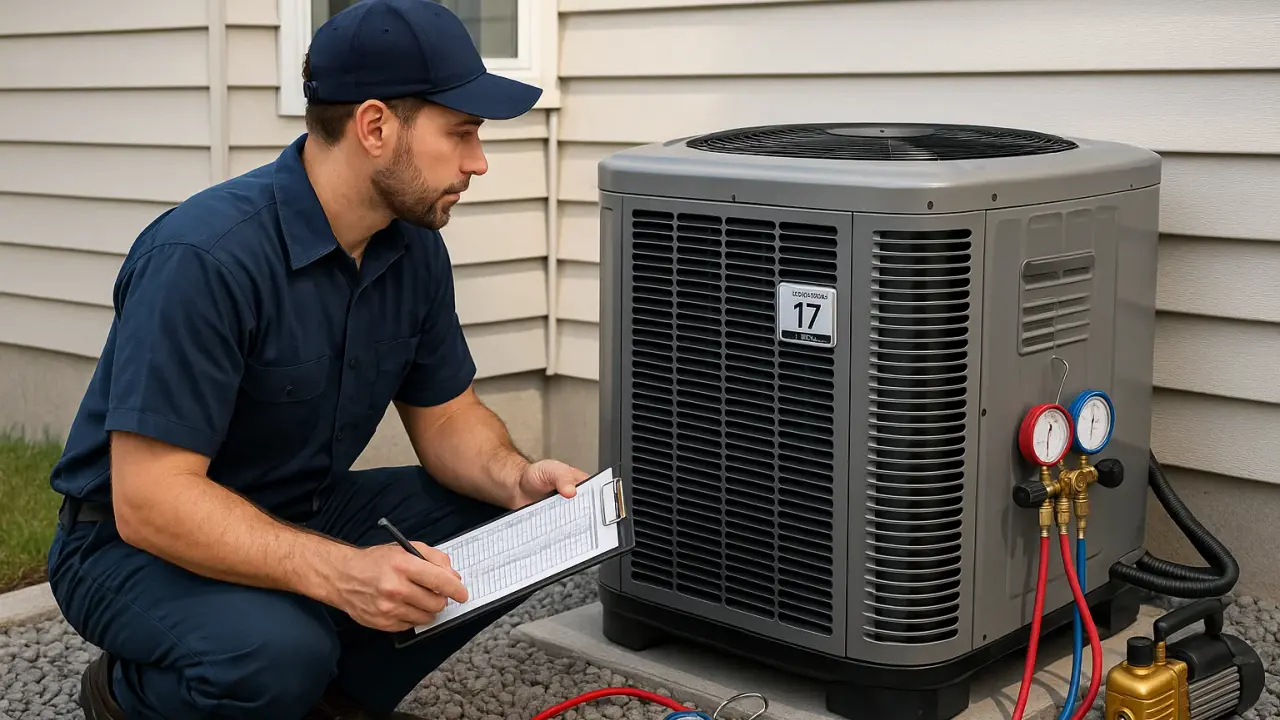
- Startup and testing: checking refrigerant charge, airflow and safety controls before the crew leaves.
The Biggest Cost Drivers
1. System Size (Tonnage)
Cooling capacity is measured in tons. One ton equals 12,000 BTUs per hour. Larger systems cost more, but bigger is not better. An oversized unit cools fast, shuts off and leaves the house clammy. The right size comes from a Manual J load calculation, not from matching the old unit or guessing from square footage.
2. Efficiency (SEER2)
SEER2 measures how much cooling you get for the electricity you use. Oklahoma is in the federal Southeast region, where most new home central air conditioners must be rated at least 14.3 SEER2. Higher ratings cost more up front and use less power. In a long Oklahoma cooling season, the savings can add up, but how fast they pay back depends on your home and how long you plan to stay.
3. Single-Stage, Two-Stage or Inverter
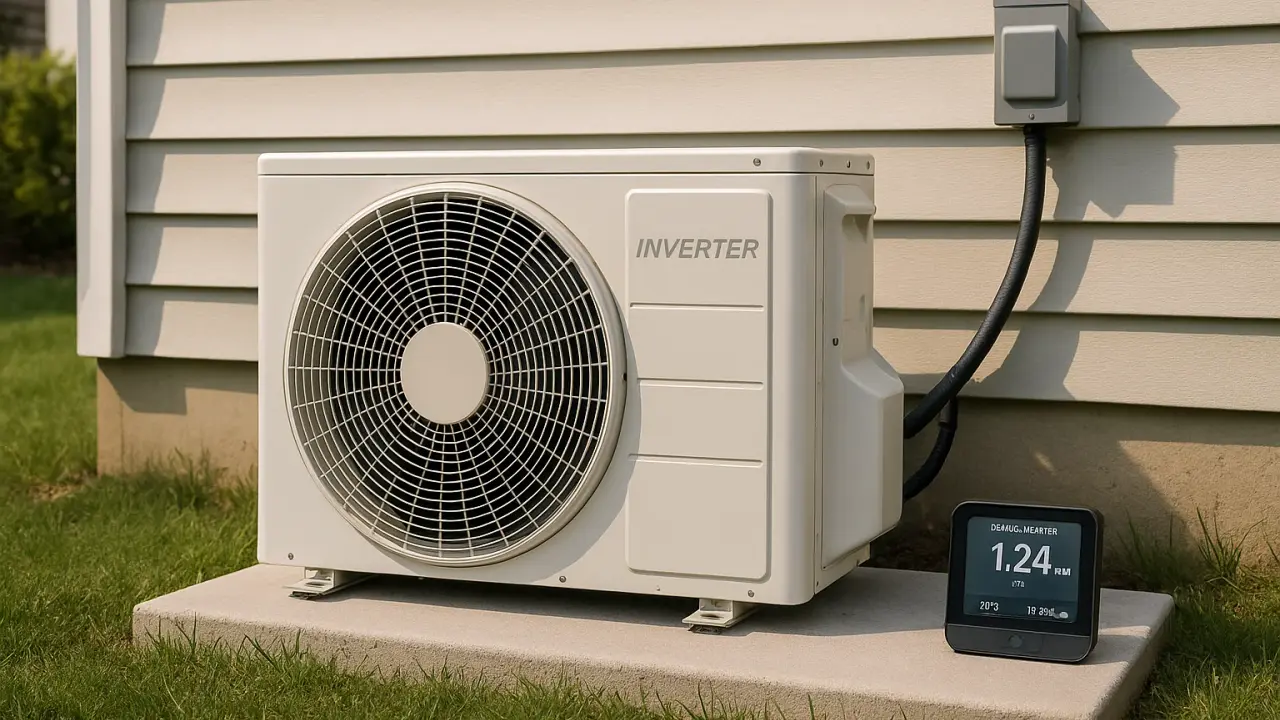
A single-stage system runs at full speed or not at all. Two-stage systems have a high and a low setting. Inverter systems adjust their speed to match what the house needs. Inverter equipment usually costs more, but it runs quieter, holds steadier temperatures and pulls more humidity out of the air.
4. Just the AC, or More?
Replacing only the outdoor unit is rarely an option today. The indoor coil has to match the outdoor unit and its refrigerant. If your furnace is also near the end of its life, replacing both at once can save on labor. Some homeowners switch to a heat pump at the same time so one system handles cooling and most of their heating.
5. Refrigerant Type
New home systems now use lower-impact refrigerants such as R-454B or R-32 instead of R-410A. The new equipment and the parts that go with it are designed around those refrigerants, which affects which coil, line set and installation steps your job needs.
6. Ductwork Condition
A new system can only move the air your ducts allow. Leaky, crushed or undersized ducts waste energy and can make a new system noisy or uncomfortable. If your ducts need sealing, repair or resizing, that adds to the cost, but it can also be the difference between a good install and a disappointing one. Learn more about ductwork repair and sealing.
7. Line Set
The line set is the pair of copper refrigerant lines between the indoor and outdoor units. Sometimes the existing lines can be reused after testing and cleaning. Other times they are the wrong size, damaged, or buried in a wall or slab in a way that makes replacement harder.
8. Electrical Work
Some replacements need a new disconnect, breaker or wire size, especially when the new system is larger than the old one or when you switch to a heat pump with backup heat strips. Older homes sometimes need more electrical work than newer ones.
9. Permits and Access
Many cities require a permit for a system replacement. Ask whether permits are included in your quote. Access matters too. An air handler in a cramped attic in July takes more time and care than one in a garage closet.
Ways to Lower the Total
- Utility rebates: PSO, OG&E and ONG have offered rebates on qualifying equipment. Programs change, so check before you buy.
- Financing: Spreading the cost out can make a better system fit your budget. See our financing options. Financing is subject to credit approval.
- Right-sizing: A correctly sized system can sometimes be smaller, and cost less, than the one it replaces.
One change to know about: the federal 25C tax credit for energy-efficient home improvements ended for equipment placed in service after December 31, 2025. Systems installed in 2026 do not qualify for it.
How to Compare Quotes
When you have more than one estimate, compare them line by line:
- Is each quote for the same size and SEER2 rating?
- Does it include a new matching indoor coil?
- Was a load calculation done, or was the size copied from the old unit?
- Are the line set, electrical work, permits and haul-away included?
- What do the equipment and labor warranties cover?
A low price that leaves out the coil or the permit is not really a lower price.
How We Quote a New System
Our replacement estimates are free. We run a Manual J load calculation on every install, check your duct static pressure, and give you clear options from budget-friendly to high-efficiency inverter systems. We install brands including Midea, TCL and TuttoKool, and we never push equipment your home doesn't need. Read more about HVAC replacement.
Get a Free Estimate
Ready to find out what a new system would cost for your home? Book online or call (918) 370-1260 to schedule your free replacement estimate anywhere in Sapulpa, Tulsa and the surrounding Creek and Tulsa County communities.