
If you are replacing your heating system in the Tulsa area, you will probably face one big choice: a heat pump or a gas furnace. Both can keep you warm. The right one depends on your home, your utility rates and how you feel about the coldest nights of the year.
Here is a plain-language look at how each one works in Oklahoma weather.
How Each System Makes Heat
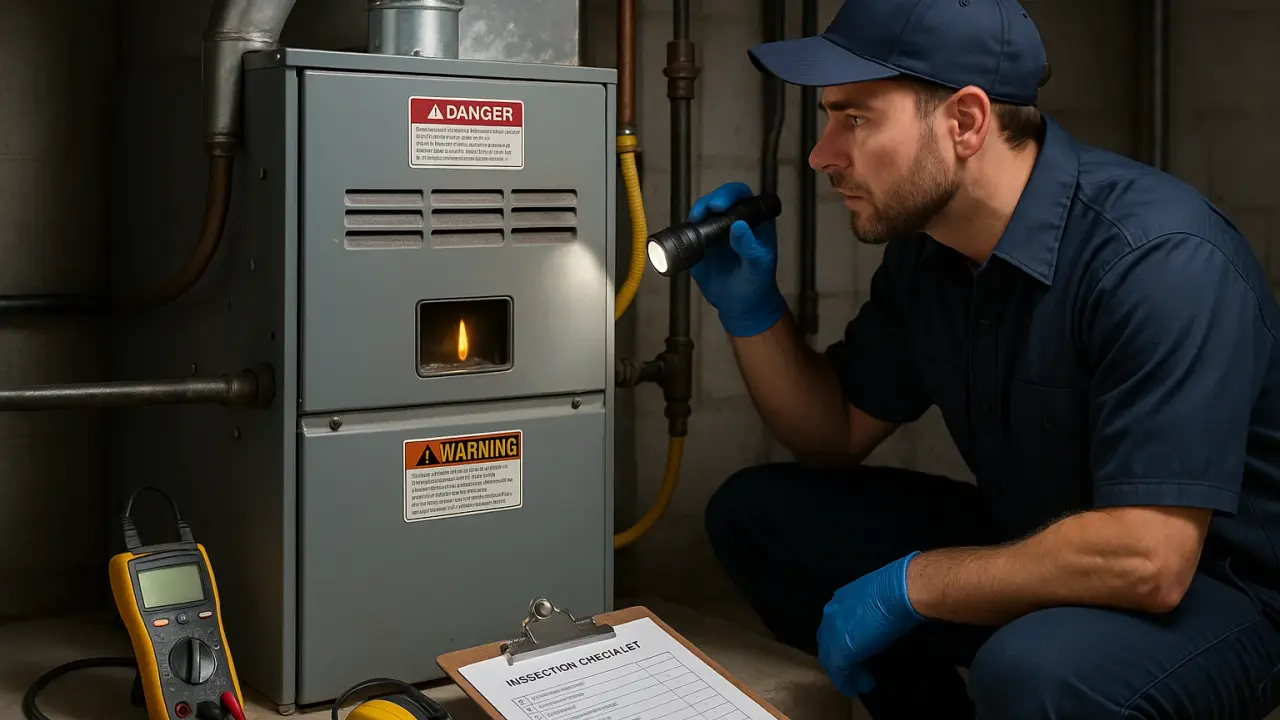
A gas furnace burns natural gas to make heat, and a blower pushes warm air through your ducts. In most homes, the furnace is paired with a separate air conditioner for summer.
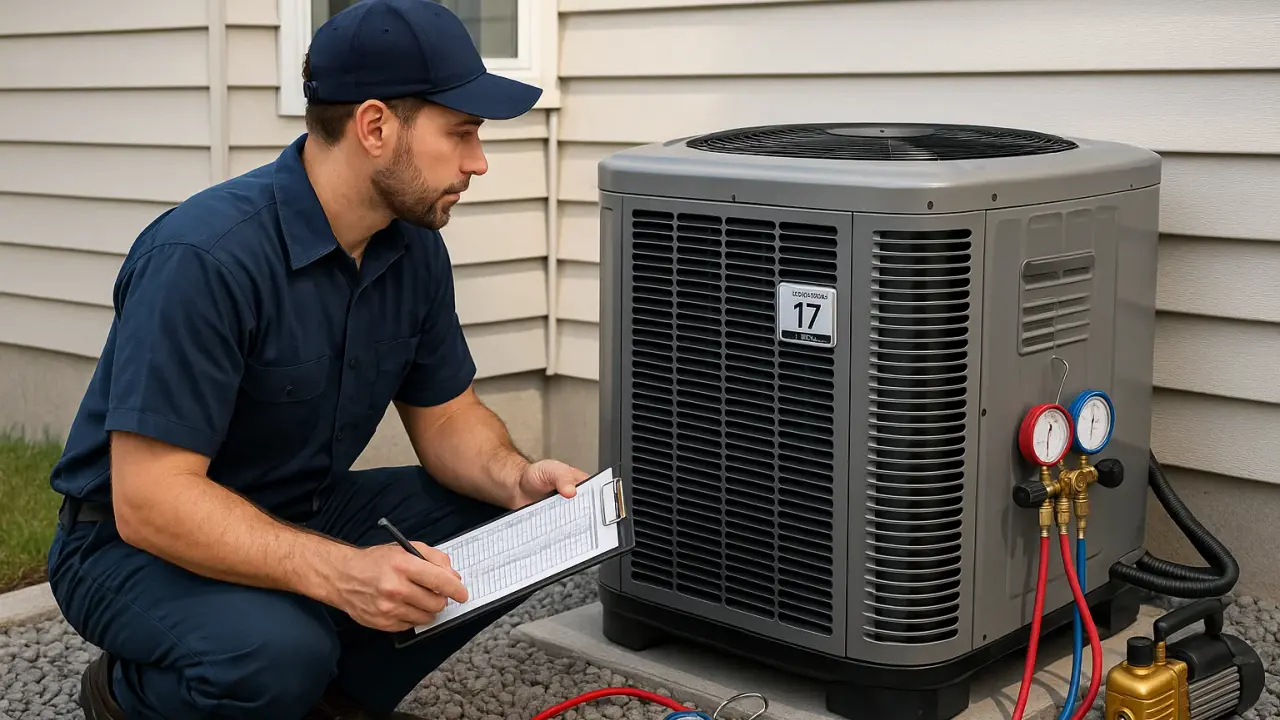
A heat pump doesn't burn anything. It moves heat. In summer, it works just like an air conditioner, pulling heat out of the house. In winter, it runs in reverse, pulling heat from the outdoor air and bringing it inside. Even cold air holds heat a heat pump can use.
Because it moves heat instead of making it, a heat pump can deliver more heat energy than the electricity it uses, especially in mild weather.
What Oklahoma Weather Means for Your Choice
Oklahoma winters are mostly mild, with many days in the 30s, 40s and 50s. That is the sweet spot for a heat pump. But we also get short, hard cold snaps and ice storms, and those are the nights that test any system.
Our summers matter too. Every home here needs air conditioning, and a heat pump is also your air conditioner. So the real comparison is often "heat pump" versus "furnace plus AC," not heat pump versus furnace alone.
Today's Heat Pumps Are Not Your Grandparents' Heat Pumps
Older heat pumps lost a lot of heating power as temperatures dropped. They leaned on electric backup heat strips, which work like a big toaster and are expensive to run. That is where heat pumps got a reputation for cold air and high winter bills.
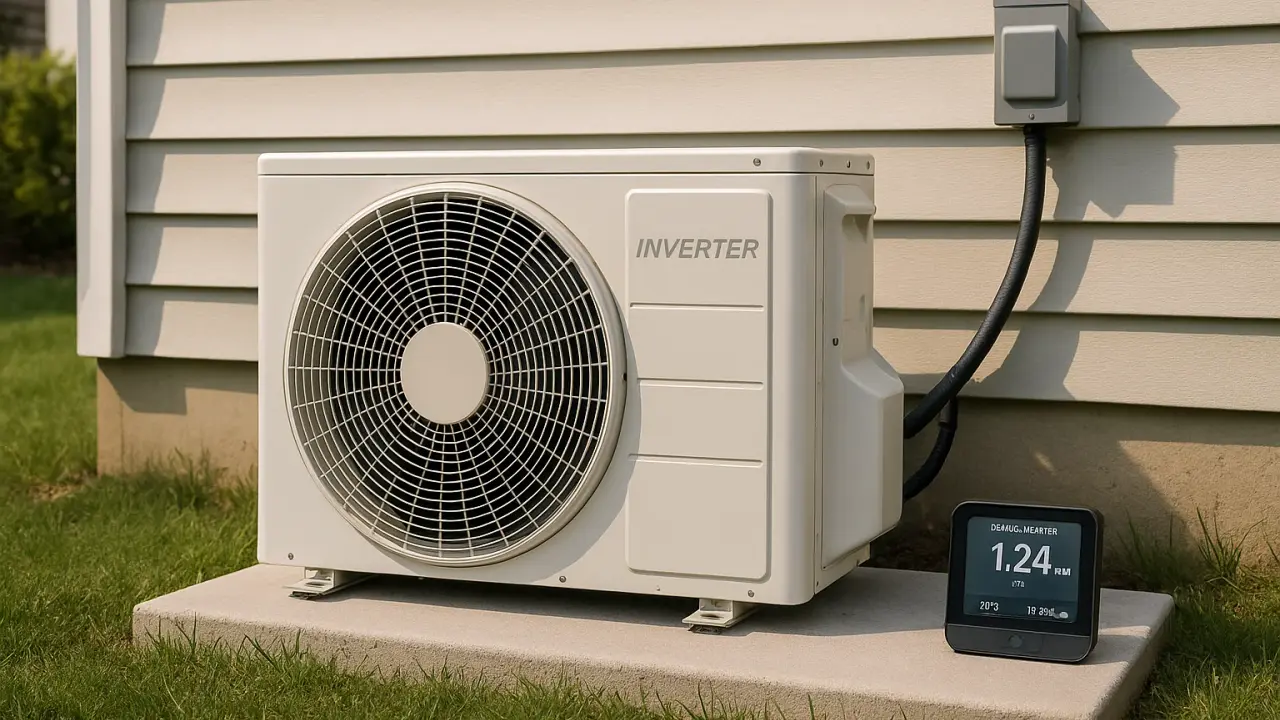
Modern inverter heat pumps adjust their speed to match the weather and keep heating at much lower temperatures. ENERGY STAR has a cold-climate designation for heat pumps that must pass performance tests at 5°F. Cold snaps that dip that low are not common here, but they happen, so we still plan backup heat for every heat pump we install.
Dual Fuel: A Middle Path
If your home already has gas service, a dual-fuel system pairs a heat pump with a gas furnace. The heat pump handles cooling and most of your heating. When it gets cold enough outside, the system switches to gas automatically.
Dual fuel can make a lot of sense in the Tulsa metro. You get efficient electric heat on mild days and strong gas heat on the coldest nights. It is also a good option when your furnace still has years left but your air conditioner needs replacing.
What Really Drives Operating Cost
People often ask which system is cheaper to run. There is no single answer, because it depends on several things that are different for every home:
- Your electric rate. Tulsa homes are generally served by PSO, and many Sapulpa-area homes by OG&E. Rates and plans differ.
- Your gas rate. Most homes in the area with gas are served by ONG. Gas prices can swing from year to year.
- Equipment efficiency. Heat pumps are rated by HSPF2 for heating. Furnaces are rated by AFUE, the percentage of the fuel's energy that becomes heat in your home.
- How cold it gets. The more hours below freezing, the more a heat pump works and the more often backup heat runs.
- Backup heat setup. A heat pump that runs on heat strips too often can get expensive fast.
- Your ducts and insulation. Leaky ducts and a drafty attic raise costs with any system.
Your own bills are the best starting point. When you get an estimate, ask how each option would use energy in your specific home.
Other Things to Weigh
- Upfront cost. It depends on what you have now. If you need a new AC anyway, a heat pump may cost less than you'd expect compared with a furnace plus AC.
- Gas service. If your home doesn't have gas, adding it can be a bigger project than choosing a heat pump.
- Power outages. Neither system runs without electricity. A gas furnace's blower needs much less power than a heat pump, which can matter if you plan to use a generator.
- Safety. Any home with gas appliances needs working carbon monoxide detectors and a yearly furnace safety check.
- Comfort. Furnace air feels hotter coming out of the vent. Heat pump air is warmer than the room but can feel cooler on your hand, even while it heats the house just fine.
Our Take
There is no one-size answer, and we won't pretend there is. For many homes in Sapulpa, Tulsa and across Creek and Tulsa counties, an inverter heat pump or a dual-fuel system is a strong choice. For others, a high-efficiency gas furnace with a new AC is the better fit.
We start every replacement with a Manual J load calculation and walk you through the options side by side. Learn more about heat pumps and HVAC replacement. If your current furnace just needs to make it through this winter, we also handle furnace repair.
Talk It Through With Us
Replacement estimates are free, and financing is available, subject to credit approval. Book online or call (918) 370-1260 to compare a heat pump, a gas furnace and a dual-fuel system for your home.