
A garage that turns into an oven in July. A metal shop where your hands go numb in January. A new addition that never feels as comfortable as the rest of the house. These are some of the most common comfort problems we see around Sapulpa and Tulsa.
For many of them, the best fix is a ductless mini-split. Here is how they work, how to size and place one, and why extending your home's ductwork is often the wrong move.
What Is a Ductless Mini-Split?
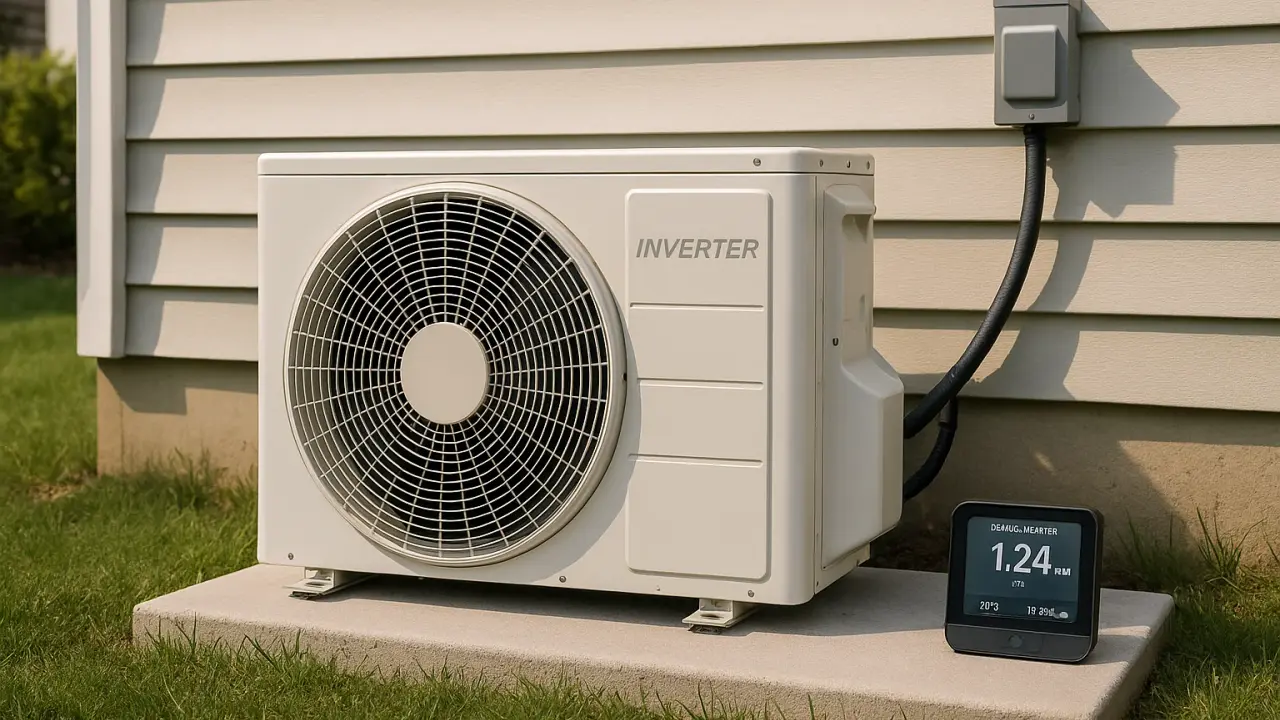
A mini-split has two main parts: an outdoor unit and one or more indoor units mounted on a wall or ceiling. A small bundle of refrigerant lines, wiring and a drain line runs through a small hole in the wall to connect them. No ductwork is needed.
Mini-splits are heat pumps, so one system cools in summer and heats in winter.
Why Not Just Extend Your Ductwork?
It's tempting to run a duct from the house into the garage or new room. In most cases, it doesn't work well.
- Your system wasn't sized for it. Your current equipment was sized for your home. Adding a big, poorly insulated space can leave both the house and the new space uncomfortable.
- Airflow gets thrown off. Long new duct runs and a missing return path can starve the new room and upset airflow in the rest of the house.
- Garages are different. Building codes limit how home ductwork can connect to an attached garage, mainly to keep car exhaust and fumes out of your living space.
- One thermostat, two needs. Your garage or shop may need heat while the house needs none. A shared system can't do both.
A mini-split gives the space its own system and its own controls.
Sizing: Bigger Isn't Better
A mini-split that is too big short-cycles, wastes energy and leaves the air clammy. Too small, and it can't keep up in a July heat wave or a January cold snap.
Garages and shops are tricky to size because they vary so much. We look at:
- Insulation in the walls, ceiling and garage door.
- Size and ceiling height of the space.
- Windows, doors and sun exposure.
- How you use it. A shop with heat-producing tools or a door that opens often needs a different plan than a home gym.
We size every install with a Manual J load calculation. In a metal building or an uninsulated garage, adding insulation first can let you use a smaller system and cut your operating cost.
Placement Matters
Where the indoor and outdoor units go makes a big difference in comfort and reliability.
- Indoor unit: placed where it can move air across the whole space, not blocked by shelves, cabinets or a lifted garage door.
- Outdoor unit: on a solid pad or wall bracket, with room for airflow, away from roof drip lines and high enough to stay clear of snow and ice.
- Line set path: short and clean when possible, sealed where it passes through the wall.
- Condensate drain: routed so water drains away properly and doesn't drip on a floor or freeze on a walkway.
Why Inverter Technology Matters
Most mini-splits use inverter compressors. Instead of switching on and off at full power, they speed up and slow down to match the room. That means:
- Steady temperatures without big swings.
- Quiet operation, both indoors and outside.
- Better humidity control in Oklahoma summers.
- Efficient heating through most of our winter weather.
We install high-efficiency inverter systems including Midea, TCL and TuttoKool, and we'll help you choose the right fit for your space and budget.
Single-Zone or Multi-Zone?
A single-zone system has one outdoor unit and one indoor unit. It's a great fit for one garage, shop or room. A multi-zone system runs two or more indoor units from one outdoor unit, each with its own temperature control. That can work well for an addition with several rooms, or a garage plus a bonus room above it.
A Few Tips for Shops and Garages
- Keep the filters clean. Sawdust and shop dust clog indoor unit filters fast. Rinse or vacuum them often.
- Mind fumes. Store paint, solvents and fuel away from the indoor unit, and ventilate when you use them.
- Plan for power. Mini-splits need a dedicated electrical circuit, which we'll account for in your estimate.
Small offices and storefronts can benefit from mini-splits too. Learn more about our light commercial HVAC work.
Get a Free Mini-Split Estimate
Ready to make your garage, shop or addition usable year-round? Learn more about ductless mini-splits. Estimates are free, and financing is available, subject to credit approval. Book online or call (918) 370-1260.