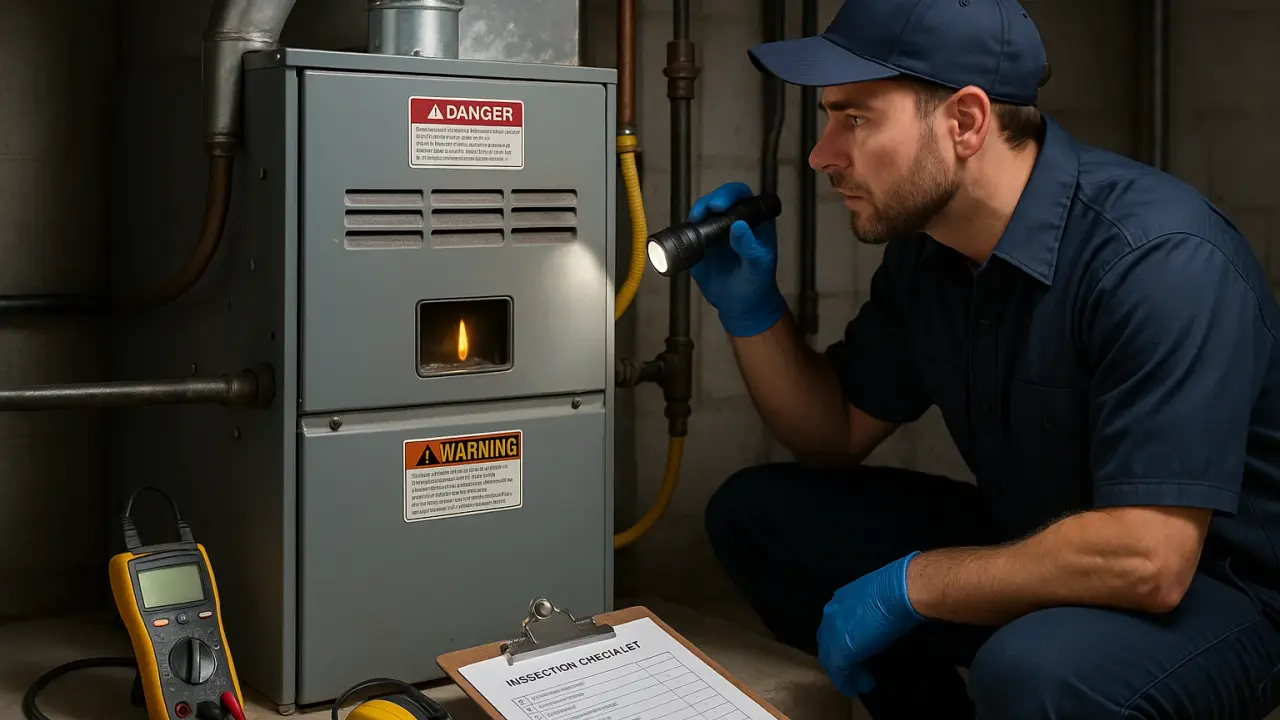
Ice storms are part of life in Oklahoma. They can coat trees and power lines, knock out electricity for days, and test every heating system in Sapulpa, Tulsa and across Creek and Tulsa counties.
A little preparation goes a long way. Here is how to protect your furnace and heat pump, and more importantly, your family.
Before the Storm
Get a Fall Safety Check
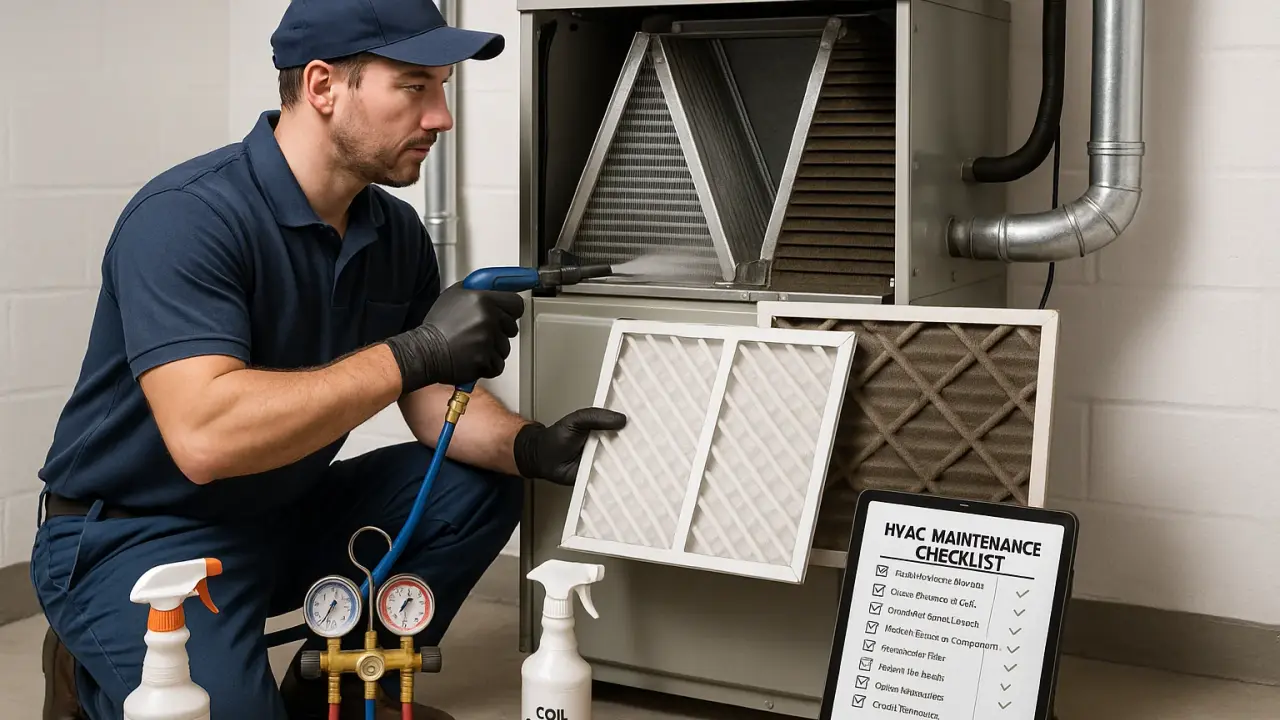
The best time to find a weak igniter, a dirty flame sensor or a heat pump defrost problem is before the cold arrives. A fall furnace and heat pump tune-up checks burners, venting, safety switches and backup heat.
Test Your Detectors
Make sure you have working carbon monoxide (CO) detectors on every level of your home and near sleeping areas. Test them and your smoke alarms, and replace batteries if needed. If your home has any gas appliances, this is not optional.
Stock the Basics
- A spare air filter, so you aren't stuck with a clogged one.
- Fresh batteries for your thermostat if it uses them.
- Flashlights and extra batteries.
- Your HVAC company's phone number saved in your phone.
Prepare the Outdoor Unit
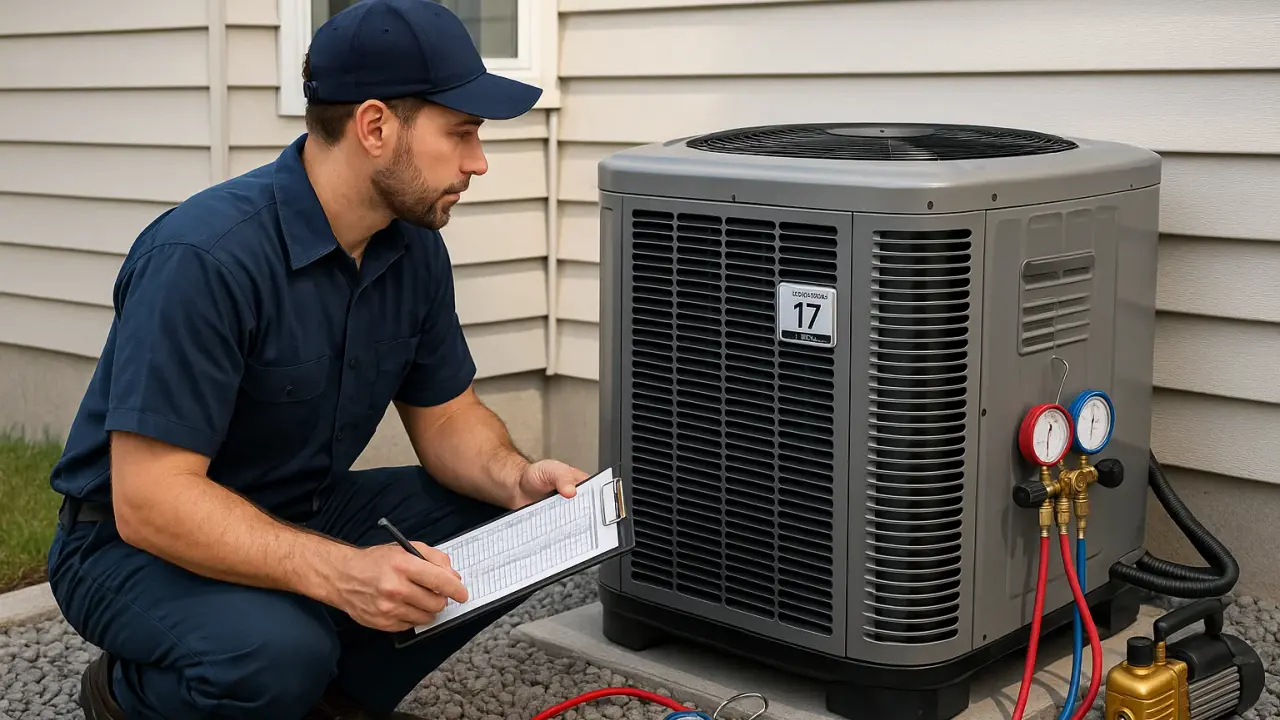
If you have a heat pump, clear leaves and debris around the outdoor unit and make sure water can drain away from it. Trim branches that hang over it, since ice-heavy limbs can break and fall. Check that gutters above the unit aren't clogged, so melting ice doesn't drip or fall onto it.
Plan for Power Outages
Your furnace and heat pump both need electricity to run. If you plan to use a generator, have a licensed electrician install a proper transfer switch. Never plug a generator into a wall outlet. That can send power back into the lines and endanger utility workers and your neighbors.
During the Storm
Defrost Mode Is Normal
In cold, damp weather, a heat pump's outdoor coil collects frost. Every so often, the system runs a defrost cycle to melt it. You may hear a whoosh, see steam rising from the unit, and notice the outdoor fan stop for a few minutes. That is normal.
When Ice Is Not Normal
A light layer of frost is fine. A thick shell of ice that doesn't go away, or a unit buried in ice from freezing rain, is a problem. If that happens:
- Switch the thermostat to emergency or auxiliary heat if you have it, or turn the heat pump off.
- Let the ice melt on its own, or gently pour lukewarm (not hot) water over the top if you can do it safely.
- Never chip, scrape or hit the ice with a tool. The thin metal fins and refrigerant lines are easy to puncture, and that turns a small problem into a big repair.
- Don't walk on icy ground near the unit if it's not safe.
If the ice keeps coming back, the defrost system may need service. Learn more about heat pump repair.
Keep Vents and Flues Clear
Many high-efficiency furnaces have white plastic intake and exhaust pipes on the side of the house or the roof. Ice and drifting snow can block them. A blocked pipe can shut your furnace down or create a safety risk. When it's safe to go outside, check that these pipes are clear. Inside, keep supply vents and return grilles open and unblocked.
Carbon Monoxide and Generator Safety
Power outages are when carbon monoxide poisonings happen most. CO is colorless and odorless, and it can kill. Follow these rules from the CDC and the Consumer Product Safety Commission:
- Never run a generator indoors, including in a garage, basement, crawlspace or shed, even with the doors open.
- Keep generators at least 20 feet from doors, windows and vents.
- Never use a gas oven, stove or grill to heat your home.
- If your CO alarm sounds, or anyone feels dizzy, sick or confused, get everyone outside to fresh air right away and call 911.
If You Smell Gas
If you smell gas, which usually smells like rotten eggs, do not try to find the leak. Don't flip light switches, use your phone or start anything inside. Leave the house right away, then call your gas company or 911 from outside. Don't go back in until you're told it's safe.
After the Storm
Once the weather clears, walk around your outdoor unit. Look for fallen limbs, bent fins, damaged refrigerant lines or a unit knocked off its pad. If your furnace or heat pump won't start, check that the breaker hasn't tripped and the thermostat has power. If it still won't run, it's time to call.
When You Need Help
Our regular hours are Monday through Friday, 8 AM to 6 PM. After-hours help is available based on technician availability; a surcharge may apply. Learn more about after-hours HVAC help.
For a furnace that won't light, a heat pump stuck in ice or a pre-winter safety check, call (918) 370-1260 or book online.